


There is a moment every pet owner recognises. You are scrolling, working, or half watching something, and your animal does something quietly perfect. They settle next to you. Look up at exactly the right moment. Do the thing they always do.
And you think: I wish I could keep this forever.
That impulse - to hold onto a moment that will eventually disappear - is, among other things, a market.
According to the American Pet Products Association, Americans spent roughly $147 billion on their pets in 2023. The average pet-owning household spends more than $1,500 a year on their animals.
Not on emergencies, either. Most of it is routine spending - the steady, happy kind that repeats every month because the owner does not experience it as a sacrifice. They experience it as care. That is why it only looks irrational if you assume the purchase is about the pet. Usually, it is not.

The Pet Is Not the Point
To understand the pet market, it helps to look at it through a slightly different lens. We are living through what many sociologists describe as a crisis of attachment. Loneliness is rising across developed countries. Trust in institutions has declined. Human relationships are increasingly complex, conditional, and fragile. Into that environment walks the dog. Or the cat. Or, occasionally, something stranger that says more about modern life than anyone expected.
Pets offer something that has quietly become rare: unconditional presence. They do not judge, they do not ghost, and they do not care what you said last week or what you might do tomorrow.
For many people, the relationship with their animal is one of the few spaces in life that exists completely outside the logic of performance.
This changes how people spend.
When someone spends over a thousand dollars a year on a dog, they are not behaving irrationally about an animal. They are investing in a relationship that reliably gives something back. The pet market is not really a pet market. It is an emotional infrastructure market.
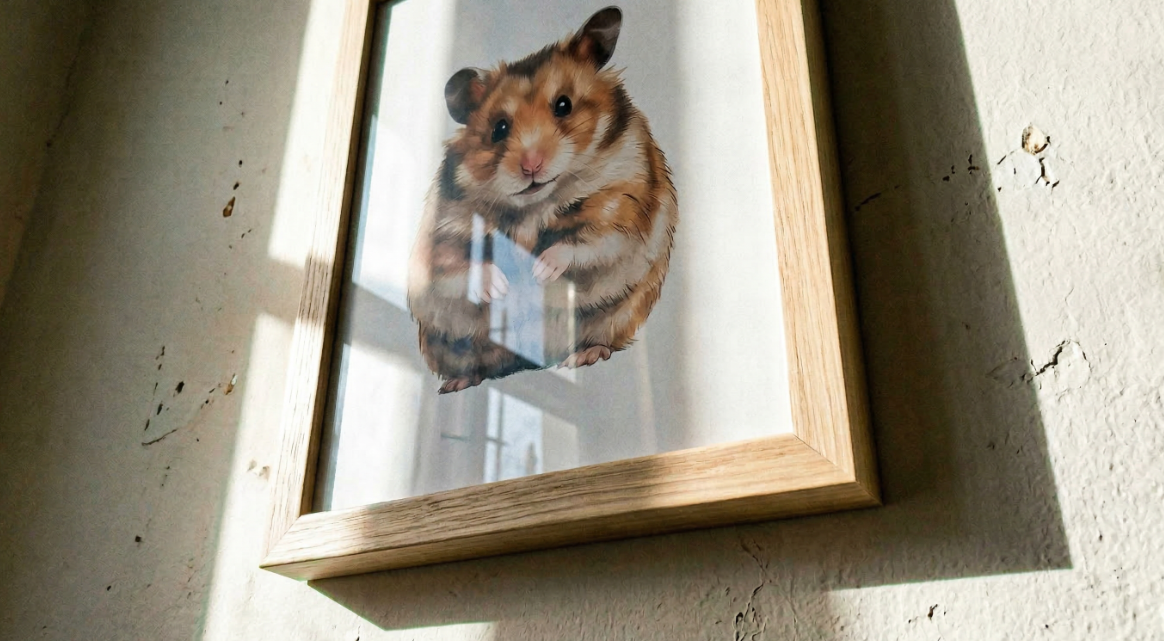
Why National Pet Day Matters for Print on Demand
National Pet Day takes place every year on April 11. On its surface it looks like another social media holiday. Feeds fill with photos of dogs and cats, people post appreciation messages, and brands jump into the conversation.
But culturally, these moments do something very specific.
They concentrate behaviour that already exists. Valentine’s Day does not create love. It simply gives people a socially accepted moment to express it. National Pet Day functions in a similar way. Pet owners already feel deep attachment to their animals. The day simply gives them a moment where expressing that attachment feels culturally shared.
When millions of people post about their pets at the same time, attention spikes. And when attention spikes, purchasing behaviour tends to follow.

Why This Is a Valuable Niche for POD Sellers
From a business perspective, pet owners represent one of the most valuable buyer profiles in ecommerce. They are loyal. They are emotionally invested. And they often already know what they want.
This creates a different kind of purchase dynamic compared with most retail categories.
In many product niches, buyers compare prices, analyse alternatives, and delay decisions. In the pet space, purchases are frequently driven by emotion and identity.
People are not buying a decorative object.
They are buying a representation of a relationship.

How to Expand Your Product Range in the Pet Niche
The pet category on platforms like Etsy or Shopify stores might appear to be a niche. In reality it is closer to a mass market organised around specificity.
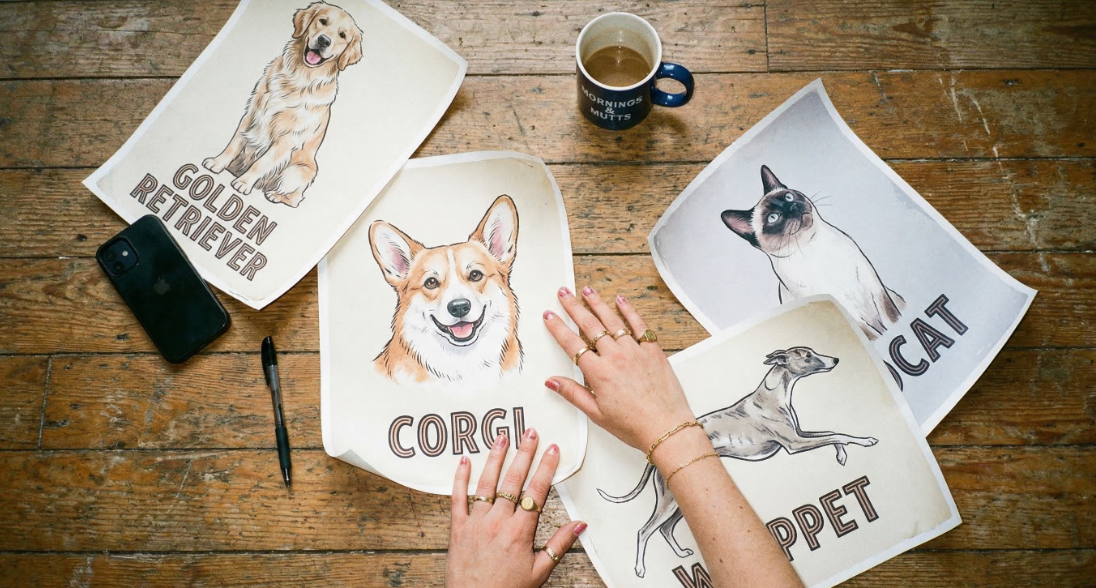
A golden retriever owner is rarely searching for a "dog poster." They are searching for a golden retriever poster. A whippet owner wants a whippet illustration. A corgi owner wants something that unmistakably resembles their corgi.
The more specific the design, the more the buyer feels that the product was made for them.
Posters - The Entry Point
Posters are one of the most accessible products in print on demand. Production costs are relatively low and designs can scale easily across multiple sizes and paper types.
For sellers building a pet themed catalogue, posters often act as the entry level product that introduces customers to the store.
Framed Posters - The Gift Format
When buyers purchase something for another pet owner, presentation matters. A framed poster removes the extra step of framing and turns the product into an immediate gift.
Different frame finishes such as black, wood, or gold also allow the same design to appeal to different interior styles.
Canvas - The Statement Piece
Canvas prints often function as statement pieces within a home. A large portrait of a beloved dog or cat placed on canvas signals permanence and importance.
In the context of pet ownership, this format transforms a simple design into something closer to a tribute.
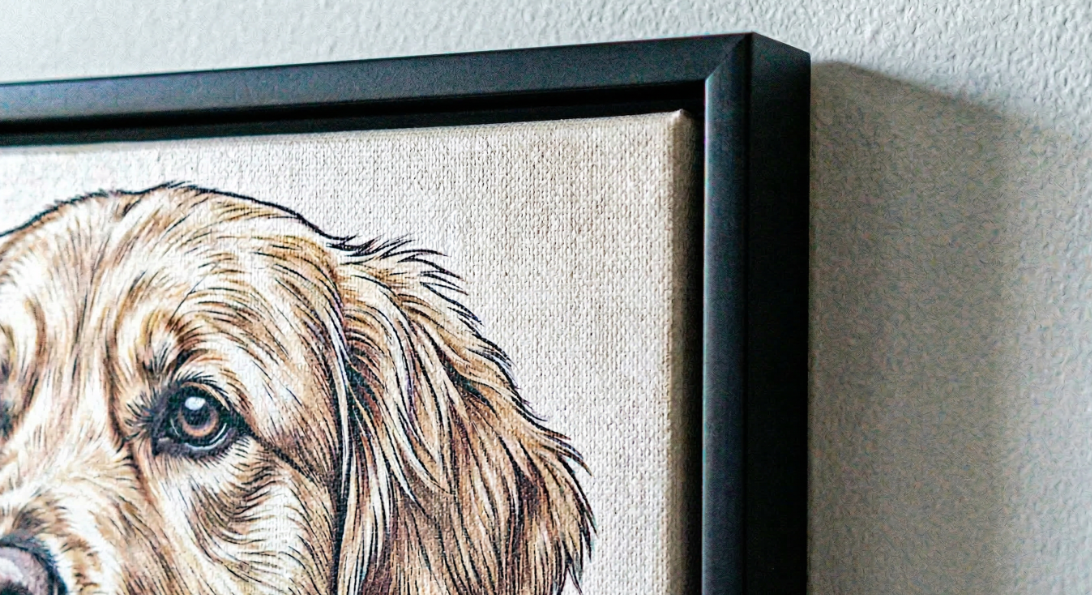
Framed Canvas - The Finished Experience
Framed canvas products remove almost all friction from the purchase experience. The artwork arrives ready to hang, already stretched and framed.
For custom pet portraits especially, this format can turn a transaction into something memorable.
Memorial Prints - The Overlooked Category
Every pet relationship eventually reaches a difficult moment. When an animal passes away, many owners look for a way to preserve the memory.
Memorial prints serve this purpose. Thoughtful, dignified designs can provide a lasting reminder of the bond between owner and animal.
Unlike many other ecommerce products, these purchases are rarely driven by price. Buyers are looking for something meaningful.
Using National Pet Day to Increase Revenue
Before April 11
Preparation matters. Product listings should ideally be uploaded several weeks before the event so search indexing has time to take effect.
Breed specific keywords often outperform generic ones. For example, "golden retriever print" is likely to convert better than simply "dog poster."
During National Pet Day
Social media engagement tends to spike around pet related hashtags such as #NationalPetDay. Sharing pet themed products during this window can help sellers reach a larger audience.
Email campaigns highlighting pet themed collections can also perform well during this period.
After the Event
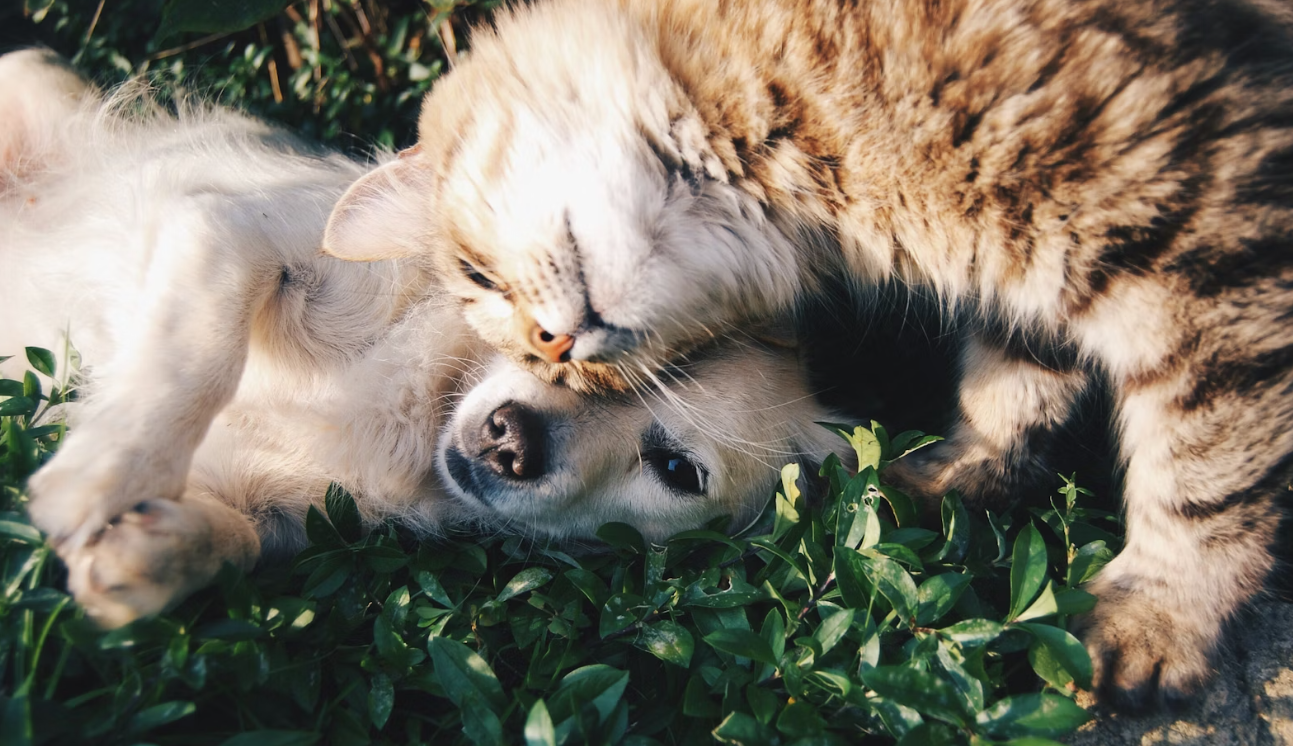
The pet niche does not disappear once the holiday ends. Breed specific prints sell throughout the year, custom portraits become popular gifts, and memorial artwork continues to hold emotional value.
National Pet Day is best viewed as a catalyst that encourages sellers to build a pet catalogue that generates revenue long after April 11.
The Animal on the Wall
Cultural holidays that generate commercial activity usually reflect something deeper about how people relate to each other. National Pet Day reflects the desire to make affection visible. A framed image of a dog or cat on the wall is not simply decoration. It is a quiet acknowledgement that this relationship mattered.
The products that succeed in this space understand that emotional context. They are specific, well made, and designed to last.
Sometimes they remain on the wall for years.
Sometimes they last longer than the animal.
And the owner is grateful that someone created something worth remembering.


