


The summary
Peel and stick wallpaper offers quick installation, easy removal, and more flexibility when decorating.
Traditional wallpaper requires more preparation but provides a permanent finish, often at a lower material cost.
Both have advantages, and the best choice depends on your space, budget, and how long you want the design to stay.
You can transform an entire room without touching wallpaper paste. But does that make traditional wallpaper outdated? Not quite.
While peel and stick wallpaper has made decorating more accessible, traditional wallpaper remains a reliable choice for permanent interiors. Each serves a different purpose, and understanding those differences can save you time, money, and a frustrating installation.
Let's break down what sets them apart and which option makes the most sense for your space.
What Is Peel and Stick Wallpaper?
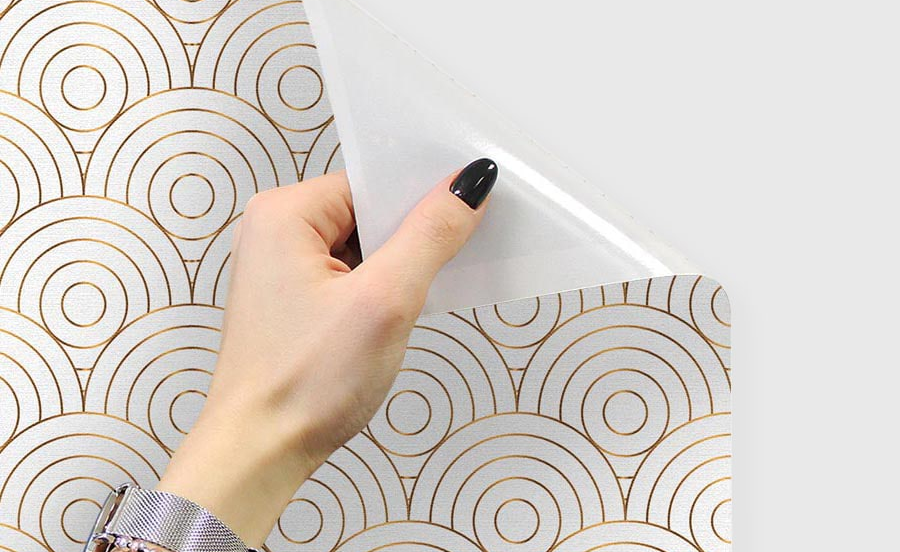
Peel and stick wallpaper is a self-adhesive wall covering that works much like a large sticker. Remove the protective backing, position the material against a smooth wall, and press it into place. No separate glue, complicated equipment, or professional installation is required.
Its biggest advantage is flexibility. Peel and stick wallpaper is designed to be removable, making it particularly attractive to renters, first-time decorators, and anyone who enjoys changing their interiors.
However, removable doesn't necessarily mean reusable. While you can adjust the wallpaper during installation, removing and reapplying it after an extended period may weaken the adhesive.
Polyester vs. Vinyl Peel and Stick Wallpaper
Not all peel and stick wallpapers are made from the same material.
- Polyester wallpaper: Features a matte, textile-like finish and is ideal for bedrooms, living rooms, and decorative feature walls. It's also PVC-free.
- Vinyl wallpaper: Offers a more durable, canvas-like texture with improved scratch and splash resistance. It's a practical option for hallways, children's rooms, and other spaces exposed to everyday wear.
Both provide glue-free installation, but vinyl is generally the better choice when additional durability matters.
What Is Traditional Wallpaper?
Traditional wallpaper is installed using wallpaper paste or glue, creating a lasting bond with the wall.
Unlike peel and stick alternatives, it's designed for long-term decoration rather than easy removal.
Modern traditional wallpaper is also more advanced than the thick, difficult-to-handle materials you might remember from older homes.
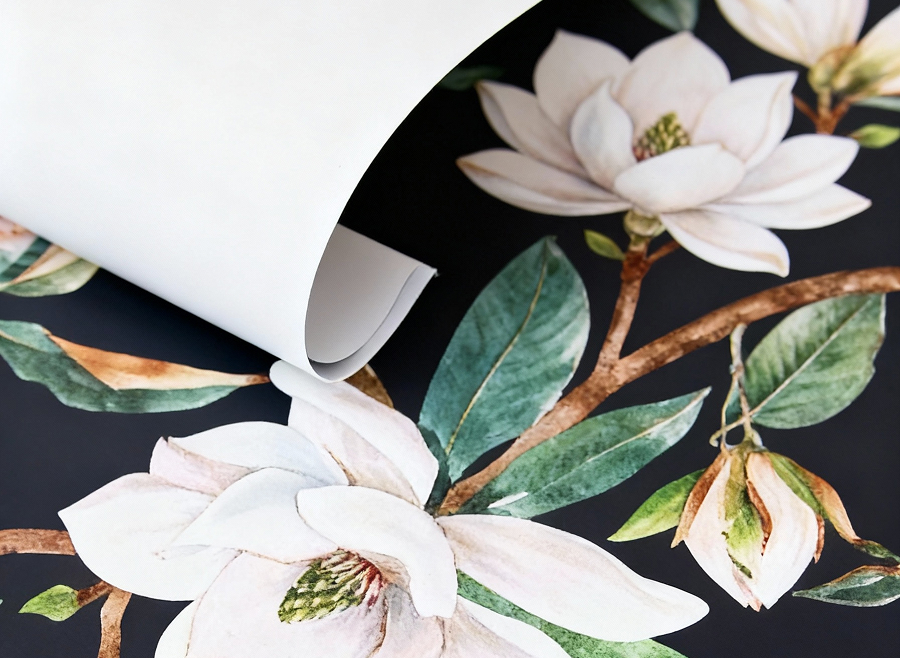
For example, traditional non-woven wallpaper combines a lightweight, breathable material with a smooth finish. It's PVC-free and particularly well suited to dry residential interiors.
The main drawback is installation. You'll need suitable wallpaper paste, proper preparation, and some patience when aligning the panels. Removing it later can also be more demanding.
However, for homeowners planning to keep the same design for years, these trade-offs may be perfectly reasonable.
Peel and Stick vs. Traditional Wallpaper: 5 Key Differences
Both types can transform a plain wall into something remarkable. The key differences show up in installation, maintenance, and long-term use.
1. Installation: Which Is Easier?
Peel and stick wallpaper is the clear winner when it comes to convenience.
The installation process is relatively straightforward:
- Clean and prepare the wall.
- Peel away part of the protective backing.
- Position the wallpaper against the surface.
- Smooth it down, removing trapped air.
- Repeat with the remaining panels.
Traditional wallpaper requires additional preparation, including applying wallpaper paste and carefully positioning the material before the adhesive sets.
Neither method is completely foolproof. Large panels and detailed patterns can be challenging regardless of the material.
One important detail: Peel and stick wallpaper works best on smooth, clean, and dry surfaces. Heavily textured walls can prevent proper adhesion, while dust and grease may cause edges to lift.
If you're decorating for the first time, peel and stick is generally the more beginner-friendly option.
2. Durability: Which Lasts Longer?
Traditional wallpaper is designed for permanent installation, making it a natural choice for interiors that won't undergo frequent changes.
Once properly installed, non-woven wallpaper provides a stable decorative finish suitable for long-term use.
Peel and stick wallpaper can also remain on walls for extended periods. However, its performance depends heavily on surface preparation and adhesive compatibility.
Material choice matters, too.
Peel and stick vinyl generally handles scratches and everyday wear better than lighter polyester alternatives.
Ultimately, neither installation method guarantees durability on its own. The material, wall condition, and quality of installation are just as important.
3. Removal: What Happens When You Want a Change?
With peel and stick wallpaper, changing the design is generally much easier.
The material is designed for removal without the extensive stripping process associated with traditional wallpaper. However, the condition of the paint and wall underneath can affect the result, so damage-free removal isn't guaranteed.
Traditional wallpaper is a different story.
Removing it may involve soaking, scraping, or using specialised wallpaper-removal products.
That's not necessarily a disadvantage if you're planning to keep the design for years.
But for renters, children's bedrooms, or frequently updated interiors, peel and stick offers considerably more flexibility.
4. Appearance: Does One Look Better?
The installation method doesn't determine how attractive the final result looks. Both types can reproduce detailed illustrations, repeating patterns, photography, and full-wall murals.
The real visual differences come from their materials.
Peel and stick polyester typically features a matte, fabric-like texture, while vinyl can have a more substantial, canvas-like feel.
Traditional non-woven wallpaper often provides a smoother surface with a subtle sheen.
Neither is universally better. A matte finish might complement a minimalist interior, while a smooth surface can work beautifully with intricate patterns.
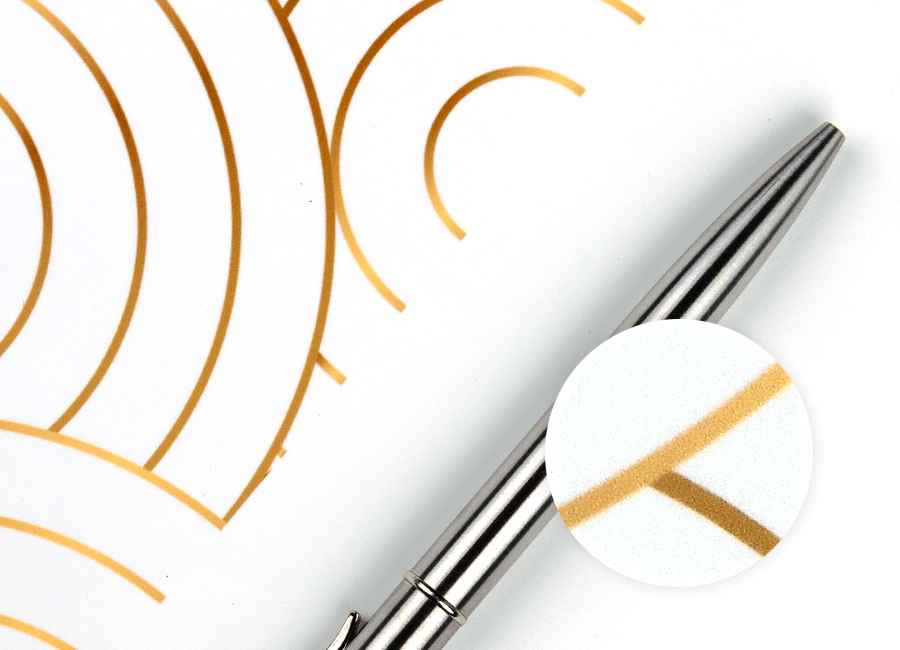
Print quality matters just as much as texture. At Printseekers, our wallpapers are produced using nine-colour Epson eco-solvent printing to reproduce detailed custom artwork.
5. Cost: Which Is More Affordable?
Traditional wallpaper generally costs less in materials than self-adhesive alternatives.
For example, traditional non-woven wallpaper is the most affordable residential option in the Printseekers wallpaper range.
However, material price isn't the entire story.
Traditional wallpaper also requires separate paste, installation supplies, and potentially professional labour.
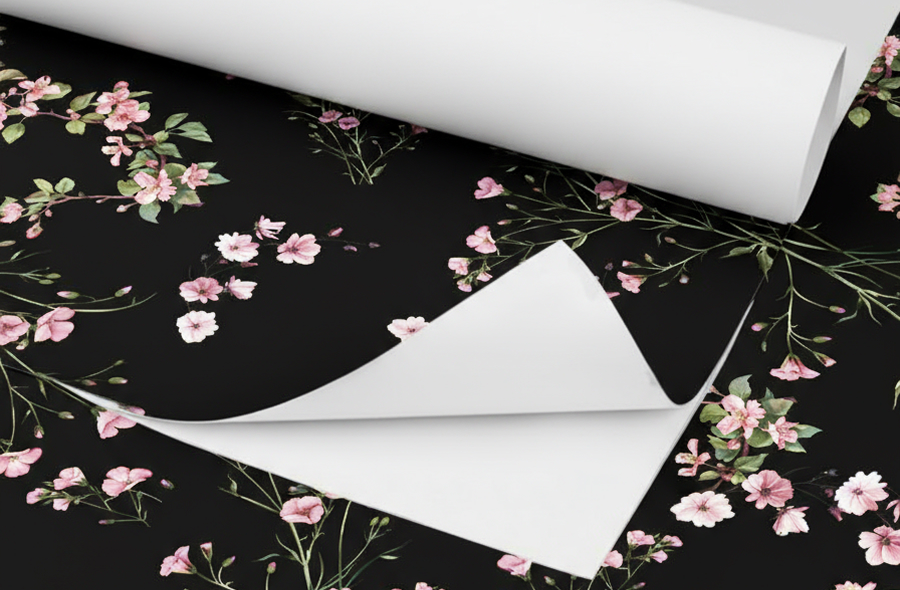
Peel and stick wallpaper usually eliminates those additional adhesive costs and makes DIY installation more accessible.
For a small feature wall, paying slightly more for easy installation might be worthwhile.
For a homeowner decorating several rooms permanently, traditional wallpaper may offer better overall value.
Which Wallpaper Is Best for Your Space?
The ideal wallpaper depends on how the room is used and how often you expect to change its appearance.
Living rooms and bedrooms
Both options work well. Traditional wallpaper suits permanent interiors, while peel and stick is ideal for experimenting with feature walls and new designs.
Rental apartments
Peel and stick is generally the more practical choice. It offers more flexibility when redecorating or moving out, although renters should always check their agreements and test the material first.
Kitchens and bathrooms
Moisture requires extra consideration. Peel and stick vinyl handles occasional splashes and humidity better than polyester or traditional paper-based materials.
However, even moisture-resistant wallpaper shouldn't be exposed to direct water or continuous steam.
Hallways and children's rooms
Durability matters in spaces exposed to frequent contact. Peel and stick vinyl offers improved scratch resistance, while its removability is useful when children's tastes inevitably change.
Whatever the room, make sure the wall is properly prepared and compatible with your chosen material before installation.
What About Prepasted Wallpaper?
There's also a third option worth considering.
Prepasted wallpaper combines elements of both installation methods.
Like traditional wallpaper, it's designed for permanent decoration. However, its adhesive is already built into the material and activated using water.
That means there's no need to purchase separate wallpaper paste.
It's a practical middle ground for homeowners who want a permanent finish with a more convenient installation process.
Just remember that prepasted wallpaper isn't designed for easy removal like peel and stick alternatives.
Traditional or Peel and Stick: Which Should You Choose?
There's no universal winner.
If you want a quick DIY transformation, live in a rental, or regularly change your interiors, peel and stick wallpaper is probably your best match.
If you're decorating for the long term, working with an experienced installer, or prioritising lower material costs, traditional wallpaper deserves serious consideration.
And if you're looking for something in between, prepasted wallpaper offers another alternative.
The good news? You don't have to limit yourself to one material when creating custom wallpaper designs. At Printseekers, we offer print-on-demand wallpaper in polyester, vinyl, traditional non-woven, and prepasted materials.
Whether you're decorating your own space or selling wallpaper designs online, we produce every order in-house, print to your required dimensions, and ship worldwide.


